
How Brazilians Pay: Behind Brazil’s Payment Landscape
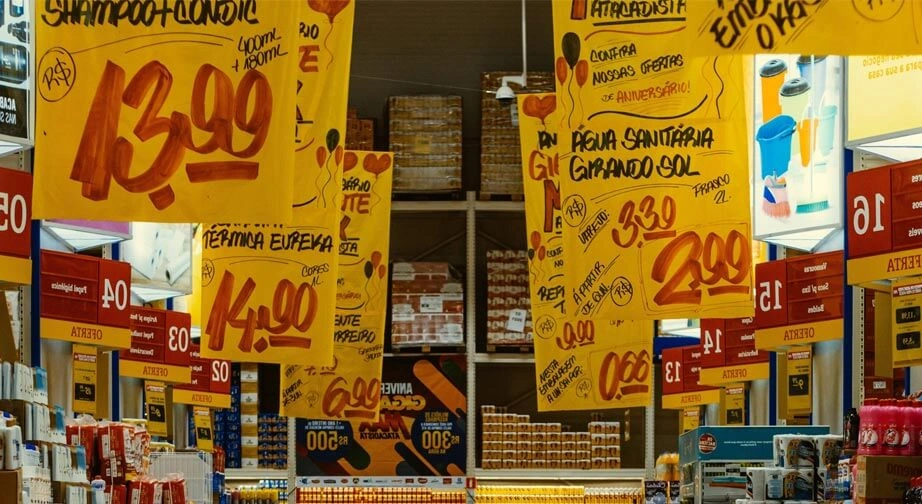
Pix, credit cards in instalments and boleto: how Brazilians pay, and what a foreign checkout needs before it can sell in Brazil.
In Brazil, how people pay can be just as important as what they buy. Pix, the Central Bank’s instant payment system, carried 54.7% of all payment transactions in Brazil in the second half of 2025, against 30.4% for all cards together.1 Shoppers also split prices into monthly instalments so purchases feel more affordable.
For international businesses, understanding these habits means looking beyond payment technology itself and to the financial realities, and expectations, that shape Brazilian consumer behaviour.
Pix: Speed, convenience and everyday trust
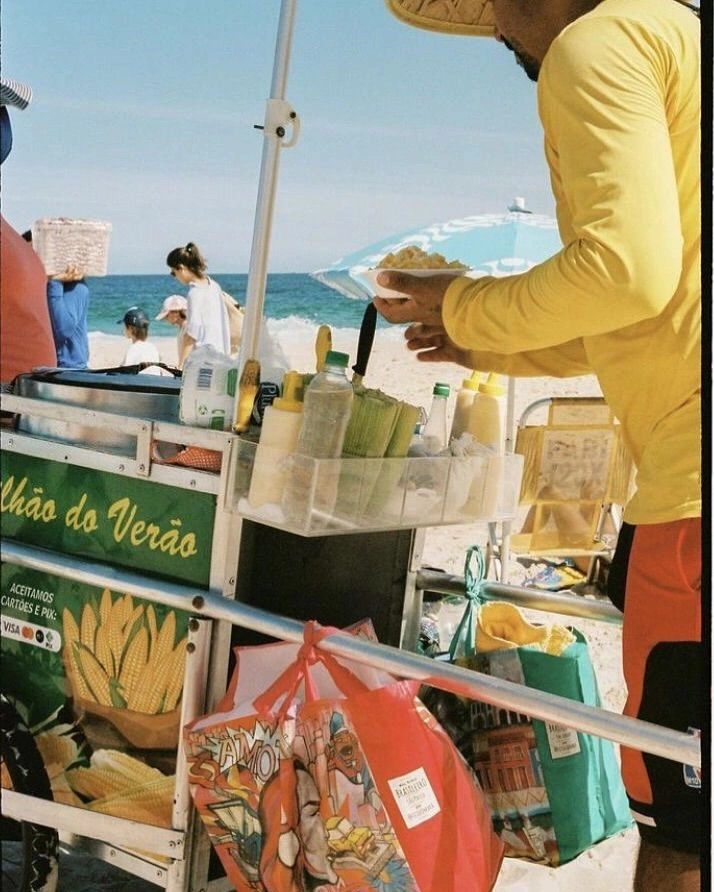
Launched by Brazil’s Central Bank on 16 November 2020, Pix lets anyone with a bank or payment account send money from a phone app, whenever they desire. Like a bank transfer, sending a Pix is free for individuals.2 In the six years since its introduction, Pix has become ubiquitous within the country, handling payments for department stores, street vendors, and online shopping alike.
Its appeal goes beyond speed, however: While Pix is instant, it also makes transferring money straightforward and accessible since anyone with a Brazilian bank account can make or receive payments this way. By bypassing the networks of credit card providers like Visa or Mastercard, most vendors also charge lower prices via Pix. In 2022 a Pix cost merchants 0.22% of the sale on average, against 2.2% for a credit card,3 and almost 60% of Brazilian sellers now offer some advantage to customers who pay by Pix.4
What this means for businesses: Make Pix easy to find at checkout, confirm payments promptly and ensure the process works smoothly on mobile devices since this is how most Pix payments are made.
Boleto bancário: Familiarity still matters
Boleto bancário is a payment slip with a barcode and a due date. Customers pay it at a bank, an ATM, a lottery agent or a supermarket, or in their banking app.56 While it dates from the 1980s,7 in 2024 it still carried 8% of Brazil’s online sales.6 Although Pix offers faster confirmation, some still prefer to use boleto for certain purchases and billing arrangements.
While its market share is low, its continued presence shows that not all consumers are fully digital, or even with a credit card. It also means you should consider if any of your customers pay in this way: this could be a niche competitors miss if you choose to pursue it.
What this means for businesses: Consider boleto when deciding on your payment methods, for most it won’t be necessary but certain audiences and sectors may still use it. If you do opt to use boleto, then account for payment delays since customers have until the due date to use it.5 Plan for unpaid orders too, since industry estimates put the share of online boletos never paid at between a third and a half.8
Credit cards and instalments: Making larger costs manageable
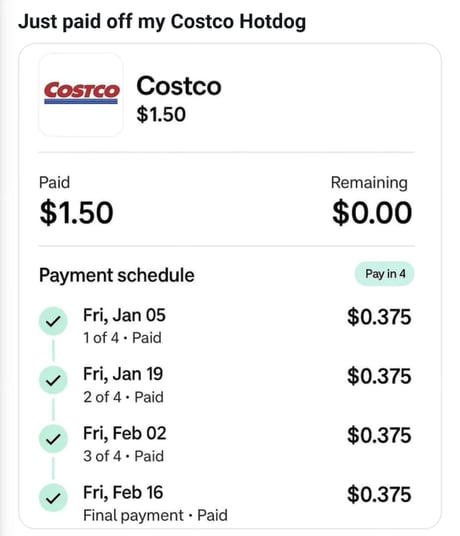
Services such as Klarna became popular in 2020, but in Brazil paying in instalments has been common since the 1990s, when card companies offered it to compete with post-dated cheques.910 In fact, Brazilians even think of salaries not on an annual basis, but in monthly terms.
In Brazil paying in instalments is known as “parcelamento”, and it is most often done through a credit card. In a country where the monthly minimum wage is R$1,621,11 a product priced at R$1,200 looks much more expensive than R$100 per month for 12 months. While the total price remains the same, instalments are much more palatable, especially among consumers with little to no savings. These instalments can make products and services much more accessible to the Brazilian consumer, but they also affect how shoppers compare prices and evaluate affordability since those paid up front now look 3x, 6x, 12x more expensive than a comparable product paid in instalments. In the first quarter of 2026, interest-free instalments made up 43.2% of all credit-card spending in Brazil.12
The distinction between “parcelamento sem juros” (no interest for the customer) and instalments with interest is important. “Sem juros” does not mean the shop pays nothing: most stores build the card fees, and the cost of waiting months for their money, into the listed price.9 Paying up front by Pix or cash skips those costs, so shops offer it at what seems to be a discount. Since 2017 Brazilian law has let shops charge different prices for cash and card.13
What this means for businesses: Display the total price clearly, make instalment options easy to understand and test whether monthly pricing affects conversion. Consider the costs and cash-flow implications before offering interest-free instalments.
What foreign businesses often overlook
Successfully selling in Brazil requires more than adding local payment methods to an international checkout.
- Local expectations matter. Pix and familiar card-payment options can make purchasing feel more straightforward.
- Affordability is not just about the total price. Instalments can influence whether a purchase feels manageable.
- Trust is built through the entire experience. Clear prices, reliable payment confirmation and transparent refund policies matter.
- Consumers are not one homogeneous group. Payment preferences differ by income, age, location, product category and individual circumstances.
- Convenience must work in practice. A payment method is only useful if customers can access it and complete the transaction without friction.
Concluding thoughts
Brazil’s payment culture reflects a combination of digital innovation, established financial habits and practical approaches to managing household spending.
For international businesses, we recommend that you do not assume that your payment strategies from another country will work (equally well) in Brazil.
Understand how your target customers pay, how they evaluate affordability and what they expect from the checkout experience. Local consumer research, such as asking your target customers how they pay, can help turn this information into smarter pricing, payment options and market entry strategy.
Planning to expand into Brazil? Bossa Research helps international businesses understand Brazilian consumers through tailored market and user research.
Frequently asked
How do most Brazilians pay?
By Pix, the Central Bank's instant payment system. It carried 54.7% of all payment transactions in Brazil in the second half of 2025, against 30.4% for credit, debit and prepaid cards together. Credit cards still matter for larger purchases, which shoppers often split into monthly instalments.
What is Pix?
An instant payment system that Brazil's Central Bank launched on 16 November 2020. Anyone with a bank or payment account can send money with it from a phone app, whenever they like. Like a bank transfer, sending a Pix is free for individuals.
Should a foreign online shop accept Pix?
Yes, if it sells to Brazilian consumers. Pix is the payment method Brazilians use most, and it costs merchants far less than cards: 0.22% of the sale on average in 2022, against 2.2% for a credit card. Almost 60% of Brazilian sellers offer some advantage to customers who pay by Pix.
What does "parcelado sem juros" mean?
Interest-free instalments on a credit card: the price is split into equal monthly payments at no stated extra cost. It made up 43.2% of Brazilian credit-card spending in early 2026. The shop usually builds its costs into the listed price, so paying up front often earns a discount.
Do Brazilians still use boleto?
Less than before Pix, but yes. Boleto carried 8% of Brazil's online sales in 2024, which shows that not all consumers are fully digital, or even have a credit card. Customers have until the due date to pay, and industry estimates put the share of online boletos never paid at between a third and a half.
Sources
- Central Bank note on retail payment statistics, 7 April 2026 (in Portuguese) — Banco Central do Brasil, reproduced by LegisMap
- Pix: the new Brazilian means of payment (in Portuguese) — Banco Central do Brasil
- Pix costs merchants an average of 0.22% per transaction (in Portuguese) — InfoMoney, with Reuters
- How Pix can increase your sales (in Portuguese) — Cielo
- Boleto payments — Stripe
- Boleto Bancário — EBANX
- Boleto only exists in Brazil: facts about the payment method (in Portuguese) — Adyen
- Brazil's boleto payments and unpaid orders — PYMNTS
- Interest-free instalments: who wins and who loses (in Portuguese) — Brazil Journal
- Interest-free instalments, a Brazilian exclusive (in Portuguese) — Finsiders Brasil
- New 2026 minimum wage (in Portuguese) — Government of Brazil, eSocial
- Electronic payments sector results, Q1 2026 (in Portuguese) — ABECS, Brazilian Association of Credit Card and Services Companies
- Merchants may now charge different prices for cash and card (in Portuguese) — Procon-ES